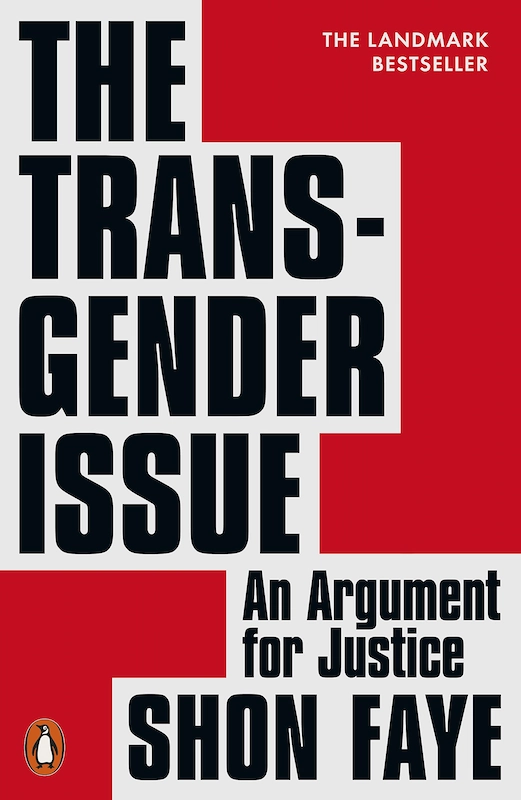
The Transgender Issue
•Non-fiction, PoliticsIn this powerful book, Shon Faye reclaims the idea of the 'transgender issue' to uncover the reality of what it means to be trans in a transphobic society.
Thoughts
When I first moved to England, I thought it would be more accepting of diversity than the country I was born in. Eight years later, I’ve come to appreciate how easy I had it back in Spain as a transgender person. At the time of writing, the UK seems to be moving backwards in its treatment of transgender people. As a resident, I wanted to understand the history that led to the current state of affairs, and The Transgender Issue was a great starting point.
This was both an enlightening and infuriating read. It’s a book that speaks for itself, and one that I wish everyone could read at least once. Through systematic disempowerment and mockery of transgender people in public life and media, British citizens have been led to believe that human rights are up for debate. Shon Faye does not present opinions, but facts grounded on research, and it is a shame that those who need this book most are the least inclined to read it.
If you want to learn what it’s like to be made into a topic of discussion, or if you’re transgender yourself and would like to understand how the UK got to the current political climate, take this as the push you need to pick up this book and educate yourself. It is truly eye-opening.
Sneak peek
On the framing of transgender existence as an “issue” that can be debated on TV:
Today, the typical news item on trans people features a debate between a trans advocate on one side and a person with ‘concerns’ on the other – as if both parties were equally affected by the discussion.
On the rise of trans-exclusionary feminism in Britain:
Feminism must concern itself with radical possibilities for our future, a future in which gender-based violence and harm is abolished, freeing us all to live more joyful lives. That cannot begin with barring the freedom to find other ways to look at, understand or do gender.